
Petrol and diesel prices in India have been increased by Rs 3 per litre each, marking the first rate hike in over four years. This decision follows a period of stable prices during recent state elections, despite rising global crude oil prices and significant losses for fuel retailers.

Petrol and diesel prices in India have been increased for the second time in a week, following a long freeze on revisions. The increase comes as global crude prices surge and state-run oil firms look to recoup losses.

Petrol and diesel prices have been increased by Rs 3 per litre each, marking the first hike in over four years, as state-run fuel retailers pass on some of the impact from surging global crude prices, which have been exacerbated by the Iran war.

Nayara Energy, a private fuel retailer in India, has increased petrol and diesel prices following a surge in global oil prices due to Middle East tensions. This move contrasts with state-owned retailers who continue to freeze prices.

The government has sharply reduced excise duty on petrol to 3 and diesel to zero, offering major relief to consumers. Here's how the price cut will impact fuel rates and inflation.

India possesses two months of fuel stockpiles and faces no supply concerns despite global energy disruptions, according to Oil Minister Hardeep Singh Puri. However, state-run fuel retailers are incurring losses of up to Rs 1 lakh crore in a single quarter due to elevated crude prices and unchanged retail fuel prices, raising questions about the sustainability of these losses.

'PM Modi is trying to reduce the volume of fuel consumed instead of raising prices sharply.'

India's consumption stocks, which have outperformed the broader market, are now facing significant pressure due to a gradual rise in fuel prices and the potential for higher inflation. Analysts warn that companies may be forced to pass on increased input costs to consumers, potentially hurting demand across both staples and discretionary categories, with a looming threat of deficient monsoon rainfall further exacerbating inflationary concerns.

India has no plans to ration fuel supplies despite ongoing disruptions in global energy markets, according to a top oil ministry official. The country has maintained adequate inventories of crude products and LPG while diversifying imports to manage supply risks.
'Once the currency goes out of the hand, then possibly your major challenge is that it will not come back.'
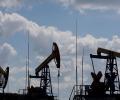
The International Energy Agency (IEA) has proposed immediate demand-side measures, including remote work, lower speed limits, and reduced air travel, to mitigate the impact of a global oil supply shock caused by Middle East disruptions.

The purge in Washington does not pause the war. Strikes continue, Hormuz remains closed, and Brent crude is still dancing around $109 a barrel. For India, the command chaos in the Pentagon is another layer of uncertainty piled on five weeks of conflict that was already straining every buffer Delhi has.
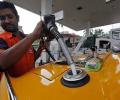
Petrol gets expensive but diesel is cheaper by Rs 1.35/ per litre.

The fiscal tilt towards capex benefits companies in investment-related sectors like capital goods, defence equipment, engineering & construction and metal & mining. The planned cut in revenue expenditure will weigh on companies in consumption sectors like FMCG, consumer durables and retail.

Petrol price on Friday was hiked by 30 paise a litre and diesel by 35 paise per litre as domestic fuel prices witnessed possibly the largest rally in rates. The price of petrol in Delhi rose to its highest-ever level of Rs 103.54 a litre and to Rs 109.54 per litre in Mumbai, according to a price notification of state-owned fuel retailers. Diesel rates too touched a record high of Rs 92.12 in Delhi and inched closer to the Rs 100-a-litre mark in Mumbai. It currently costs Rs 99.92 a litre in Mumbai.

Petrol price has been reduced four times since March.

A litre of petrol in Delhi will cost Rs 57.31 from Monday.
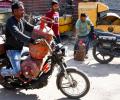
Cooking gas or Liquified Petroleum Gas (LPG) price has been raised by Rs 50 per cylinder by distribution companies, Union Oil Minister Hardeep Singh Puri said on Monday.

The price of petrol has been hiked by Rs 1.39 per litre and that of diesel by Rs 1.04 a litre, in sync with firming international rates.
State-owned oil firms may hike petrol price by about Rs 0.50 per litre from June 16 as last month's steep increase in rates is not enough to cover the cost of raw material (crude oil).
Bharat Petroleum Corporation (BPCL) on Tuesday hiked petrol prices by about Rs 2.96 a litre effective midnight tonight, and other state-owned oil companies IOC and HPCL will follow suit on Wednesday.
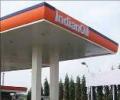
A day after raising petrol price by a steep Rs 1.80 a litre, Indian Oil Corp, the nation's largest fuel retailer, on Friday said the hike was unavoidable as rupee depreciation has increased crude imports costlier.
So what do you think of this increase in the price of petrol? What do you think can be done to register a protest against such huge hikes? How do you plan to tackle or beat this increase? Tell us.

Indian Oil Corporation, the nation's largest fuel retailer, is likely to hike petrol prices by Rs 0.33 per litre from Tuesday. IOC Chairman B M Bansal said international crude oil prices have risen since the last price revision, necessitating an increase in domestic retail prices.

This is the third increase in two months
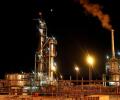
India, the world's third largest oil importing and consuming nation, is likely to save as much as Rs 1.8 lakh crore on import of crude oil and LNG if the trend of softening international energy rates continues, Icra said Wednesday. India, which meets over 85 per cent of its crude oil needs through imports, spent $242.4 billion on buying crude from overseas in the fiscal year ended March 31, 2025.
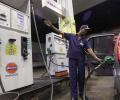
Petrol and diesel prices were on Wednesday hiked by 24-25 paise per litre, the steepest increase since July 5 Union Budget, as a fallout of turmoil in global oil markets following drone attacks on Saudi Arabian crude oil facilities.
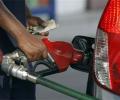
This is the fourth increase in auto fuel prices since May 1

'In the luxury car segment, the adoption of EVs is almost double compared to the mass market.'

This increase excludes local levies. The actual hike after considering VAT would be Rs 2.84 per litre in Delhi for petrol and Rs 2.11 for diesel.

The fall in international oil prices had resulted in six consecutive reduction in petrol prices since August and two in diesel in the last one month and there was possibility of another round of cuts this weekend.
State-run Indian Oil Corporation, the country's largest oil refining and marketing firm, today sought a Rs 5.18 per litre hike in the price of diesel and Rs 4.59 per litre increase in petrol prices mainly due to the surge in global crude oil prices.
The government has cut the windfall profit tax on crude oil produced in the country while the levy on exports of diesel and ATF has been hiked, an official notification said. The tax, levied in the form of special additional excise duty or SAED, on domestically produced crude oil was reduced to Rs 6,700 per tonne from Rs 7,100 a tonne. SAED on the export of diesel was increased to Rs 6 per litre from Rs 5.50 a litre and on jet fuel or ATF to Rs 4 per litre from Rs 2, the notification said.

Petrol price was on Wednesday hiked by a steep Rs 3.38 per litre and diesel by Rs 2.67 a litre, reversing a two-month declining trend.

The government on Tuesday increased the windfall profit tax on crude oil produced in the country and reduced the levy on exports of diesel. The tax, levied in the form of Special Additional Excise Duty or SAED, on domestically produced crude oil was increased to Rs 9,800 per tonne from Rs 9,050 a tonne, according to an official notification. SAED on the export of diesel was reduced to Rs 2 per litre from Rs 4 a litre and on jet fuel or ATF to nil from Rs 1, the notification said.

The retail selling price of petrol at Delhi would come down by Rs 1.82 a litre.
This is the second hike in diesel price this month.
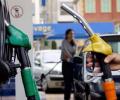
As the world's third-largest oil importer and consumer, India is running out of options as the relentless surge in international oil prices make it imperative to pass them on to consumers, officials said on Monday. India imports 85 per cent of its crude oil needs and about half of its natural gas requirement. While the imported crude oil is turned into fuels such as petrol and diesel, gas is used as CNG in automobiles and fuel in factories.
Oil companies on Monday slashed petrol price by Rs 3.02 per litre.

The new prices will be effective from Friday midnight.
